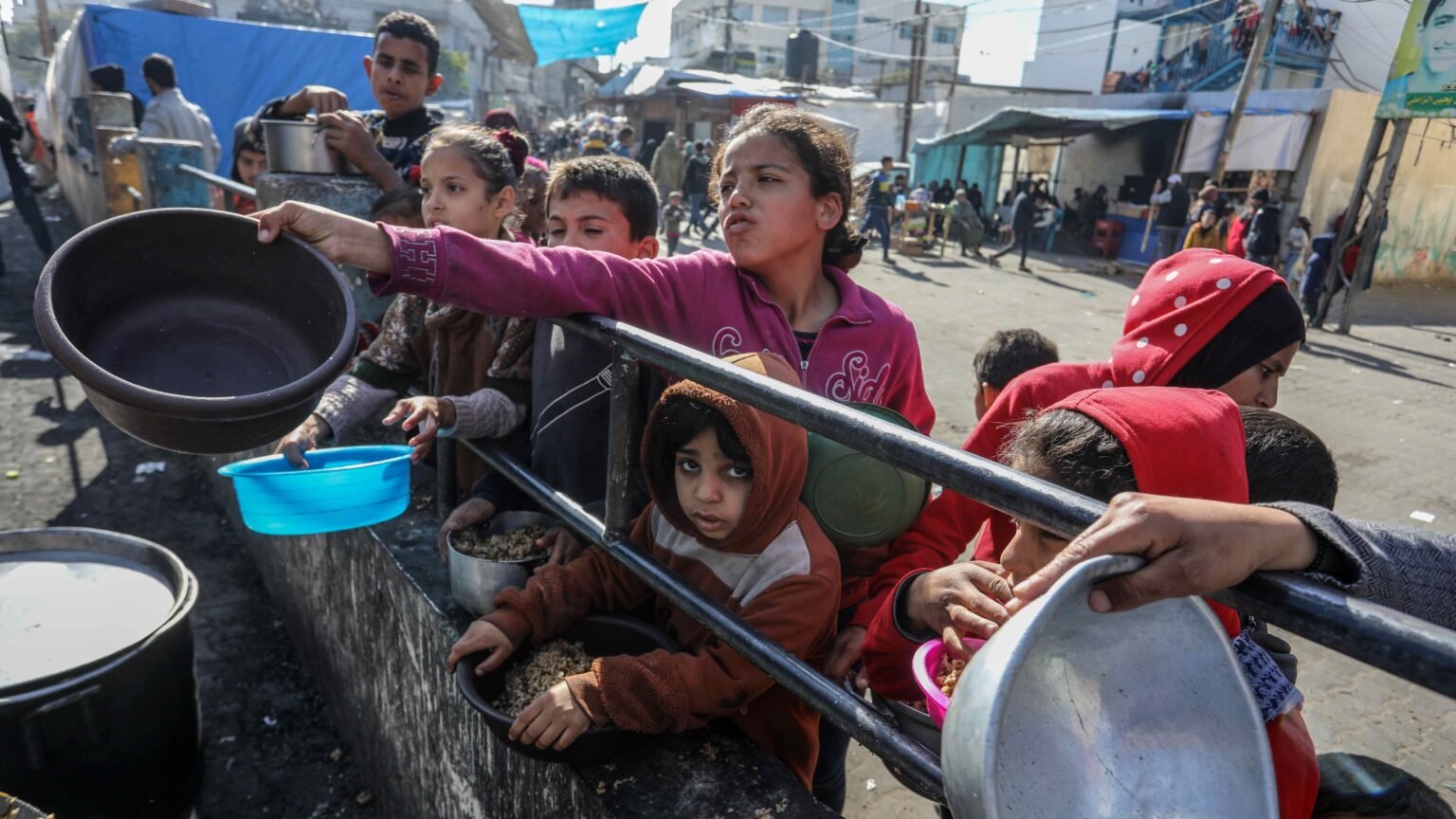
Nutrition in emergencies (NiE) training will equip humanitarian workers, health professionals, and emergency responders with the knowledge and skills needed to manage and prevent malnutrition during crises such as conflicts, natural disasters, and disease outbreaks.
Assessment and Surveillance Nutrition assessment methods: MUAC (Mid-Upper Arm Circumference), weight-for-height, BMI .Monitoring and early warning systems.
Infant and Young Child Feeding (IYCF) in Emergencies Protecting and supporting breastfeeding .Safe formula feeding and complementary feeding
Management of Acute Malnutrition Community-based Management of Acute Malnutrition (CMAM) .Therapeutic and supplementary feeding programs
Food Security and Livelihoods in Emergencies Emergency food distribution .Cash-based interventions. Agricultural support programs
Water, Sanitation, and Hygiene (WASH) in Nutrition Importance of clean water and hygiene Prevention of diarrheal diseases and infections